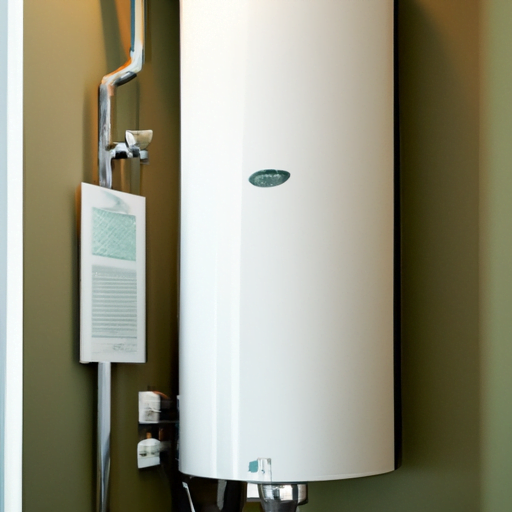
The transition to a tankless water heater represents a paradigm shift in modern plumbing, offering an efficient and virtually limitless supply of hot water. However, maximizing the gallons per minute (GPM) performance of these systems necessitates a blend of strategic planning and informed choices. In this article, we will delve into the myriad factors that influence the delivery of GPM in tankless water heaters, encapsulating both technical nuances and practical recommendations.
1. Understanding Gallons Per Minute (GPM)
Before embarking on methods to enhance GPM, it is essential to comprehend the term itself. GPM quantifies the flow rate of water, an indispensable measurement for any household requiring consistent hot water access. A higher GPM indicates a more robust output, enabling multiple outlets to be utilized simultaneously without compromising temperature or pressure.
2. Selecting the Right Tankless Water Heater
Choosing the appropriate model is foundational to ensuring optimal GPM. Tankless water heaters are available in various configurations, including:
- Electric vs. Gas: Generally, gas-fired systems tend to deliver higher GPM compared to their electric counterparts. Their combustion processes allow for a faster heat-up time, providing scorching hot water quickly.
- Single vs. Multi-Point Systems: A single-point heater supplies one outlet, while multi-point systems cater to several outlets. Select a multi-point system for larger households to enhance GPM across multiple taps.
- BTUs and Flow Rates: Assess the British Thermal Units (BTUs) per hour of heating capacity. Higher BTU ratings translate into improved flow rates, resulting in elevated GPM performance.
3. Sizing Matters
Proper sizing is paramount to achieving impressive GPM benchmarks. Oversized units can be inefficient, while undersized systems might struggle to provide adequate hot water. To size a tankless heater accurately:
- Conduct a Load Calculation: Evaluate peak usage times and the number of simultaneous fixtures needing hot water. This step will indicate the required GPM based on expected demand.
- Account for Temperature Rise: Utilize the incoming water temperature and desired outlet temperature to ascertain the required performance. More significant temperature differences demand higher GPM capabilities.
4. Optimize Water Pressure
Water pressure can dramatically impact GPM measurements. Therefore, ensuring that your plumbing system is adequately pressurized can optimize the performance of a tankless heater. Consider the following tactics:
- Install a Pressure Regulator: This device can help stabilize pressure fluctuations, ensuring a consistent flow rate.
- Regularly Maintain Plumbing: Inspect and clear any obstructions, leaks, or corrosion within the piping system to enhance overall water pressure.
5. Incorporate a Recirculation System
Implementing a recirculation system is another method to boost GPM. This system keeps hot water readily available at the tap, reducing wait times. While it does consume energy, its advantages often outweigh the costs, particularly in larger homes. Families can prevent cold water waste and ensure a continual supply of hot water, which enhances user satisfaction.
6. Proper Installation Techniques
The installation phase plays a critical role in determining the efficacy of tankless water heaters. Optimal practices include:
- Professional Installation: Engage certified plumbers to ensure precise installation, which minimizes issues related to water delivery, pressure, and heating efficiency.
- Strategic Placement: Place the unit close to high-demand fixtures to reduce water travel distance, thus enhancing GPM and minimizing heat loss.
7. Enhance Energy Efficiency
Energy-efficient practices can also augment GPM performance in tankless water heaters. Consider the following avenues:
- Regular Maintenance: Cleaning the heat exchanger and descaling the unit regularly can significantly improve performance and extend the lifespan of the heater.
- Utilize a Smart Thermostat: Smart thermostats can optimize heating cycles and temperatures, ensuring that the unit operates at peak efficiency. These devices gauge demand and respond accordingly, ensuring comfort without wasted energy.
8. Understand Geographic Limitations
Local climates can greatly influence a tankless water heater’s GPM capabilities. Colder climates increase the temperature rise that heaters must achieve, which may limit GPM. To address this, consider:
- Installing Multiple Units: In colder regions, it may be beneficial to install multiple tankless heaters, allowing for more distributed service across multiple outlets.
- Tankless Heater with Higher Temperature Ratings: Investigate heaters specifically designed for colder climates to adequately meet demand.
Conclusion
Maximizing GPM in a tankless water heater is a multifaceted endeavor that requires an interplay of selection, installation, and maintenance strategies. By understanding the intricacies of flow rates, implementing efficient systems, and optimizing the unit’s capabilities, homeowners can reap the benefits of consistent, high-quality hot water. The reward is not merely a functional appliance; it is an enhanced lifestyle defined by comfort, reliability, and efficiency. Investing time and resources into these strategies will ensure that a tankless water heater fulfills its promise of endless hot water, regardless of demand.








Leave a Comment