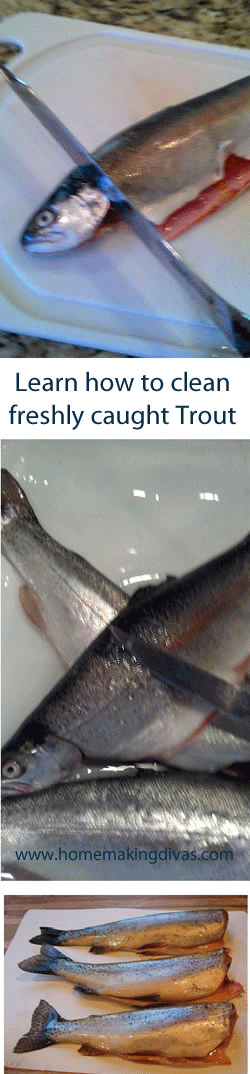
Cleaning a trout is akin to unwrapping a beautifully crafted gift, each layer revealing the essential nature of the fish, from its shimmering scales to the tender meat it conceals. Engaging in this intricate process not only connects you with nature but also enhances your appreciation for the bounty that streams and rivers provide. This guide will traverse the necessary steps for cleaning trout, transforming an intimidating task into a liberating experience.
Understanding Your Tools
Before embarking on the cleaning journey, it’s crucial to assemble the right tools. A sharp, flexible fillet knife is essential. Think of it as your trusted wand, enabling you to turn a challenging task into a seamless operation. A cutting board or a flat surface will serve as your stage. Additionally, a pair of pliers can also be beneficial for tasks like removing hooks from the trout’s mouth, should the need arise. Gloves are optional, but they can enhance grip and minimize the mess.
Preparation is Key
Begin your adventure by preparing the trout. If you’ve just fished it out of the water, ensure it’s subdued. Place the fish on a clean, flat surface, preferably near a water source. Dismissing cleanliness can lead to a cascade of complications later on. Rinse the fish to remove excess slime and debris; this first wash stonewalled the process of disassembling the trout, providing a smoother gateway to the inner treasure.
Descaling Your Catch
With your fish now prepped, the next step is descaling—removing the external armor that protects the flesh beneath. Using the back of the knife, gently scrape from the tail towards the head, taking care to avoid puncturing the flesh. The scales will glisten like shards of glass as they dislodge, revealing the silvery skin underneath. This stage symbolizes shedding the exterior and exposing the true essence of the fish, much like peeling away the layers of an onion to find its core.
Opening the Trout
Once descaled, the trout is ready to be opened. Locate the belly of the fish, which runs beneath from the vent to the pectoral fin. Insert the tip of your knife into the opening, taking care not to puncture the internal organs. With a firm, deliberate motion, slice along the belly towards the head, revealing the depths of your catch. As you make this incision, envision it as unlocking a hidden compartment filled with treasure—each internal organ holding secrets of aquatic life.
Removing the Innards
To reveal the bounty, it is crucial to gently yet thoroughly remove the innards. Grasp the entrails carefully, pulling them out in one continuous motion, as if unspooling a delicate thread from fabric. This is the moment where the connection between hunter and gatherer deepens; you realize the significance of respecting the gift of nature. Dispose of the innards responsibly, preferably in a manner that nourishes the ecosystem, such as by returning them to the water or using them as compost.
Cleaning the Cavities
With the innards removed, the next step is to clean the cavity. Rinse it under cold water, ensuring that any traces of blood or remnants are washed away. This act is akin to refreshing the spirit—purifying the fish and preparing it for the culinary journey ahead. Use your fingers to explore the insides, ensuring that no organ remains hidden, lest it cloud the purity of your catch.
Final Rinsing
After cleansing the trout, the final step involves a thorough rinse. Under cool, running water, clean both the exterior and interior, preparing it for its next phase. Imagine this process as exhaling the final remnants of toil and tension, leaving behind a pristine filet that is readily primed for the skillet.
Storing the Cleaned Trout
If you’re not cooking the trout immediately, storage becomes critical. Wrap the cleaned fish in a damp cloth or place it in a sealed container with ice. Think of this as tucking a precious artifact into protective casing, preserving its freshness and flavor until you’re ready to unveil it once more. Proper storage will keep your catch delectable and enhance its taste when cooked.
Conclusion: The Reward of the Experience
Cleaning trout is not merely a task; it is a rite of passage for those who appreciate the harmony between humankind and nature. Through each step of the process—from descaling to storing—you not only harvest the essence of the fish but also gain a deeper understanding of its role in the ecosystem. The skill sets a foundation for culinary adventures, enabling you to transform your freshly cleaned trout into a delightful meal. Whether grilled, broiled, or baked, the journey of cleaning will enhance every bite, turning the simple act of fishing into an enriching tapestry of experience and appreciation.









Leave a Comment