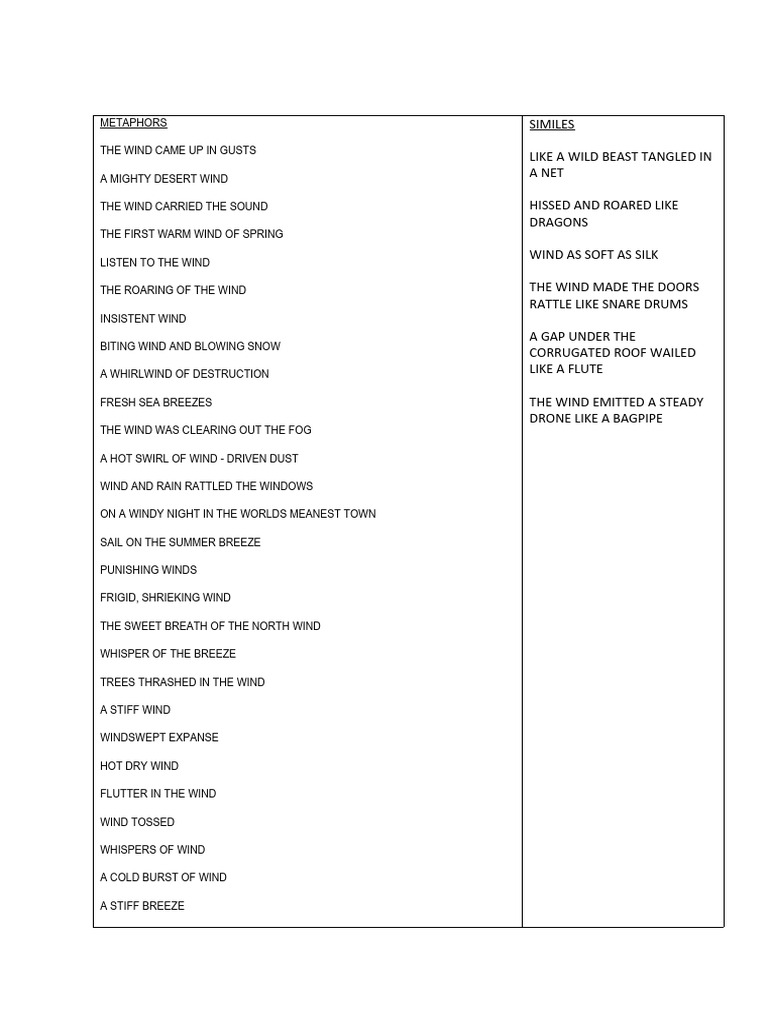
Throughout human history, the elemental forces of nature have inspired a multitude of metaphoric expressions, encapsulating the essence of change in our lives. Among these elements, wind is undeniably profound, evoking notions of transition, transformation, and the unseen currents that shape our existence. In literature, philosophy, and everyday conversation, wind-based metaphors serve as evocative symbols that compel individuals to reflect on the inevitable nature of change. This exploration delves into the myriad ways wind is employed to illustrate transformation, revealing the underlying fascination that such metaphors evoke.
The Breath of Change
Wind is often likened to breath—an elemental force that sustains life. The phrase “the winds of change” is a powerful descriptor that insinuates the arrival of new conditions or circumstances. Just as a gentle breeze heralds a shift in weather, so too does it signal moments of transition in one’s life. Such metaphors are rich in meaning; the breath of change suggests an organic unfolding, a natural rhythm that encourages reflection on the inevitable passage of time. This imagery invites contemplation on how ephemeral changes, often imperceptible at first, can lead to significant transformations over time. The subtlety of wind gives rise to the notion that even the most monumental changes often begin imperceptibly.
Bending the Willows
Nature’s resilience is often illustrated through the metaphor of trees bending in the wind. This imagery evokes strength through flexibility; the willows that sway with the breeze endure storms that may break those devoid of such pliancy. The metaphor speaks to the human experience of navigating life’s turbulent times. As individuals encounter challenges, adapting to shifting circumstances rather than resisting them fosters personal growth and resilience. This intertwining of nature and human experience reinforces the idea that survival often requires yielding, adjusting, and finding harmony with the inevitable winds of change.
Riding the Currents of Transformation
Much like the journey of a leaf carried aloft by brisk winds, life can take unexpected turns. Riding the currents of transformation speaks to the ability to embrace change rather than fight against it, illustrating the exhilaration and fear that accompany such surrender. The joy of newfound opportunities contrasts sharply with the anxiety stemming from the unknown. Yet, therein lies the beauty of wind-based metaphors: they encapsulate the duality of change, highlighting that both beauty and chaos coexist within the process of transformation. The act of surrendering—yielding to the wind—can lead to discovering new paths and experiences previously unimaginable.
Winds of History
Wind metaphors also intersect with the passage of history. The ‘winds of time’ carry with them lessons of eras past, underscoring the fluidity of social, cultural, and intellectual transformations. Drawing parallels between historical movements and the inexorable passage of wind invites reflection on the cyclical nature of change. Just as the wind erodes landscapes over time, so too do ideas, beliefs, and values continuously reshape society. This perspective encourages individuals to consider not only personal transformation but also the broader implications of societal change, where seemingly small gusts can culminate in monumental shifts.
The Whispers of Intuition
In quieter moments, the wind can serve as an intimate whisper—a metaphor for intuition and insight. The notion of “listening to the wind” invokes a deep-seated belief that nature can guide personal understanding and growth. Just as the caress of air against one’s skin can prompt introspection, so too can it inspire clarity during pivotal moments of decision-making. This association encourages individuals to trust their instincts and attune their senses to the subtleties of their surroundings, often likening these insights to the gentle but persistent pressure of the wind against a sail guiding a ship toward its destination.
Unpredictable Tempests
However, not all winds are gentle; they can also catalyze tumultuous change. Life’s unpredictability—a tempest at sea—brings forth a cacophony of emotions encompassing fear, uncertainty, and the exhilarating drive to adapt. Storms in nature remind us that change often arrives in dramatic form, uprooting familiarity and demanding resilience. The engagement with unpredictable tempests compels individuals to confront their vulnerabilities and rediscover their strengths. This metaphor, laden with urgency, illustrates the propensity for change to disrupt the status quo, beckoning a proactive approach to adaptation.
The Confluence of Winds
Moreover, winds are rarely singular—they converge, clash, and create into vortices, representing the amalgamation of different experiences and perspectives. The metaphor of swirling winds illustrates how varied influences can coalesce, leading to innovative ideas and transformative changes. Recognizing the convergence of different currents invites individuals to appreciate the multifaceted nature of their experiences, emphasizing the richness that diversity brings to the human condition. This metaphor underscores the notion that change is not a solitary journey; rather, it is often a collective experience shaped by interactions and connections.
Conclusion
Wind-based metaphors for change present a captivating lens through which we can examine our own lives and the broader world. From gentle breezes symbolizing the breath of transformation to tempestuous storms representing upheaval, these metaphors encapsulate the dual nature of change—both beautiful and unsettling. They compel individuals to embrace adaptability, resilience, and the acceptance of the unknown. Ultimately, the fascination with wind as a metaphor for change resonates deeply within us, reminding us that, much like the wind itself, change is an omnipresent and powerful force that shapes our journey through life.











Leave a Comment