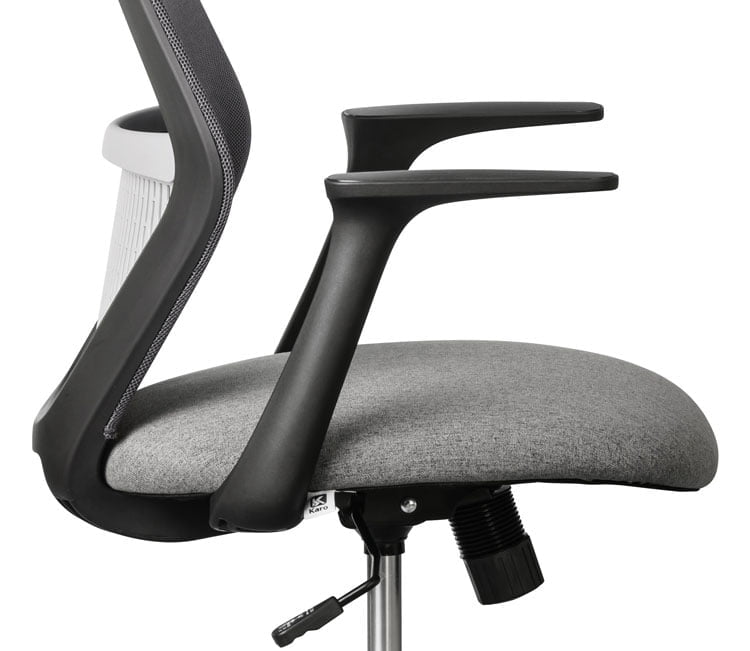
In the realm of office ergonomics, the harmonization of comfort and productivity is a perennial pursuit. Among the myriad adjustments that can be made to enhance the workplace experience, the height of office chair armrests frequently goes overlooked. This seemingly minor aspect can inadvertently contribute to inefficiency, discomfort, and even chronic pain. When you find yourself grappling with the reality of armrests that are too low, it is not simply an irritating inconvenience; it could indicate a host of deeper issues regarding chair design, personal health, and workplace dynamics.
As employees sit for extended periods, the armrests are intended to support the natural resting position of the arms to alleviate strain on the shoulders and neck. However, when the armrests fail to align with this purpose, the ramifications can ripple through the body, creating a cascade of discomfort. Let’s explore the various dimensions of why low armrests in office chairs can be problematic, along with practical solutions to mitigate these challenges.
1. The Ergonomics of Low Armrests
When armrests are too low, they can force the shoulders to sag and the arms to dangle awkwardly, which leads to a destabilization of posture. This dissonance can yield significant strain on the trapezius and neck muscles. Prolonged exposure to such a compromised posture is a precursor to musculoskeletal disorders, an affliction that is increasingly prevalent in modern office settings. Understanding the ergonomic standards can clarify why a suitable armrest height is not merely about aesthetics; it plays a pivotal role in maintaining musculoskeletal health.
2. Identifying the Symptoms of Low Armrests
Consider the signs manifesting in your daily experiences at work. Do you frequently adjust your seating position? Are your shoulders consistently tense, or do you feel discomfort radiating through your upper back? These symptoms are telltale indicators that your chair may be misaligned with your anatomical needs. Additionally, you might find that your wrists begin to ache from improper keyboard positioning, as low armrests compel you into an unnatural typing posture. Recognizing these symptoms is the first step toward remediation.
3. The Psychological Component of Care
Low armrests can also subtly influence your mental outlook. A chair that is not tailored to your dimensions can create a sense of frustration and helplessness. The workspace is often an extension of one’s identity, and discomfort can lead to disengagement and decreased productivity. This emotional toll manifests not only as physical pain but also as diminished morale. Thus, addressing the lack of appropriate armrest height is crucial not only for physical well-being but also for fostering a positive workplace culture.
4. Correlating Chair Design and Functionality
Delving deeper into the design of office chairs reveals a landscape rife with variability. While some chairs cater to a wide range of users, many adhere to a one-size-fits-all philosophy that neglects individual variations in body type. An armrest that is too low may signal a flawed assessment of user needs by the manufacturer. In this respect, it is essential to advocate for adjustable features in office furnishings to accommodate the diverse anatomy of users. Investing in higher quality, ergonomically designed chairs can substantially alleviate the challenges posed by subpar seating arrangements.
5. Practical Solutions to Enhance Armrest Functionality
The good news is that remedies for low armrests abounds. Here are several pragmatic suggestions:
- Adjust Your Chair: Many modern office chairs come equipped with adjustable armrests. Elevating them to a more suitable height can dramatically enhance comfort.
- Utilize Armrest Pads: Adding pads or cushions to the armrests can sometimes provide the necessary lift and promote a more aligned posture.
- Pillows and Cushions: For a temporary fix, consider placing a small, firm pillow on your seat or the chair’s back to alter your elevation and improve your support.
- Invest in a New Chair: If your chair is fundamentally unsuited to your body type, investing in a new model with better armrest adjustability may be a worthwhile consideration.
6. Best Practices for a Harmonious Workspace
Beyond immediate adjustments, consider establishing a workplace environment that prioritizes ergonomics across all furniture. Regular ergonomic assessments by professionals can offer insights and recommend specific changes tailored to both individual employees and collective needs. Encouraging employees to incorporate breaks and stretches into their workdays can also combat the negative effects of prolonged low-armrest interactions with their desks.
Conclusion: The Journey Toward Comfort
In summary, the issue of armrests that are too low transcends what might appear to be a trivial inconvenience. It encapsulates a broader discussion on workplace ergonomics, individual health, and corporate responsibility. As modern workplaces evolve, the significance of investing in comprehensive ergonomic solutions becomes increasingly apparent. Addressing the alignment of armrests is a gateway to a more productive and healthier workspace. Taking the time to adjust and enhance your office chair to better suit your physical needs is not just an act of self-care; it is an essential component of fostering an engaged and thriving work environment.









Leave a Comment