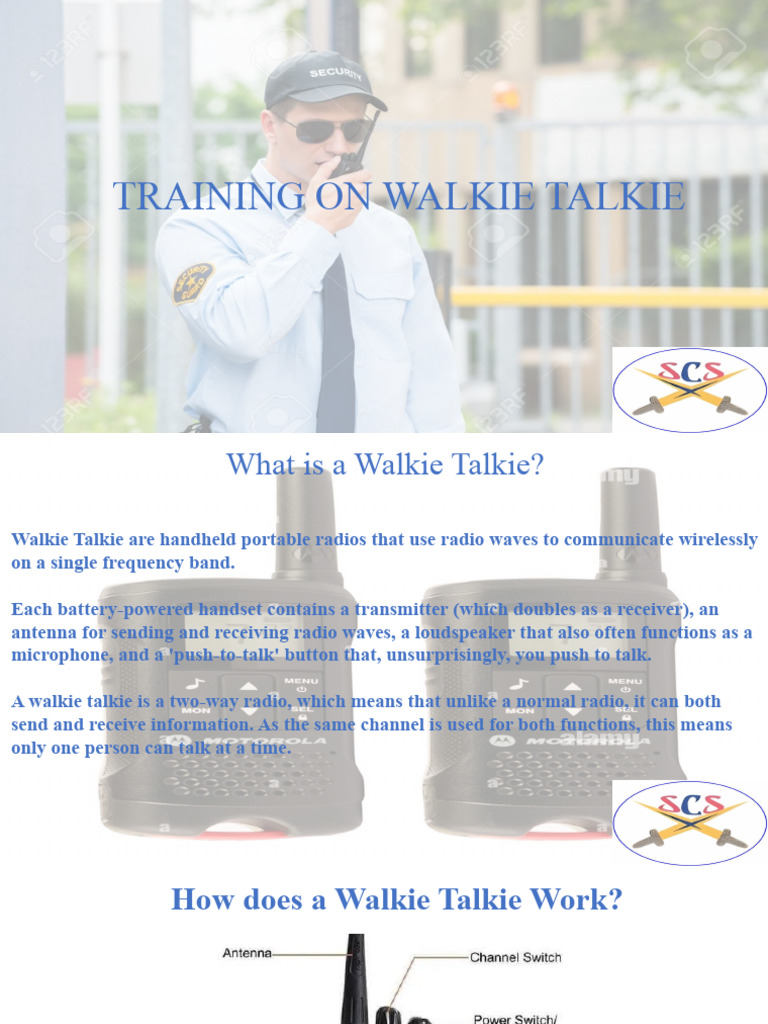
In our fast-paced world, communication is more crucial than ever. Have you ever been in a situation where you wished to communicate instantly without the fuss of smartphone screens or extensive battery life worries? Picture this: you’re hiking in the wilderness with friends, enjoying nature’s splendor, and suddenly, you want to locate someone who wandered off to explore. This scenario beckons the question: how effective would your hallowed smartphone be, amidst the vast expanse of nature? Enter the walkie-talkie—a traditional yet reliable device that transcends geographical barriers, serving as an indispensable tool for maintaining contact. Let’s delve into the various dimensions of utilizing a walkie-talkie for keeping in touch.
1. Understanding the Walkie-Talkie Renaissance
Walkie-talkies have seen a resurgence in popularity, particularly among outdoor enthusiasts, event coordinators, and even everyday families. Unlike mobile phones, which often struggle with signal strength in remote areas, walkie-talkies operate on radio frequencies, granting them a unique advantage. Their capability for instant communication without the need for cellular service makes them an appealing choice for those on adventures or at bustling festivals.
2. The Advantages of Walkie-Talkies
Walkie-talkies provide several benefits that smartphones cannot offer. Let’s explore the many advantages:
- Instant Communication: There’s no need to wait for a call to connect; a simple push of a button can relay your message immediately.
- Durability: Built to withstand rough handling and varying weather conditions, many walkie-talkies resist water and dust, making them ideal for outdoor use.
- Extended Battery Life: While smartphones often require frequent recharging, walkie-talkies consume battery power more sparingly, allowing for extended use during outings.
- Group Communication: The ability to broadcast a message to multiple users at once simplifies coordination among groups.
- No Monthly Fees: Once purchased, walkie-talkies incur no ongoing costs, making them a financially savvy option for frequent communicators.
3. Selecting the Right Walkie-Talkie
Not all walkie-talkies are created equal. When contemplating which device to purchase, consider these essential factors:
- Range: Assess the device’s communication range—how far can you be from one another while still remaining in touch? Choose one that best suits your anticipated needs.
- Channels: Some models feature multiple channels, allowing users to switch frequencies to avoid interference. This capability becomes especially valuable in crowded areas.
- Size and Weight: Opt for a model that balances portability with functionality. Compact options are convenient for hiking excursions, while larger devices may offer enhanced features.
- Additional Features: Consider models equipped with built-in flashlights, weather alerts, or even hands-free operation, which can be beneficial in specific situations.
4. Effective Walkie-Talkie Usage
Using a walkie-talkie is not simply about pressing a button and speaking; without proper etiquette, misunderstandings may arise. Here’s a guide on how to communicate effectively:
- Use Clear Language: Avoid jargon or slang that may confuse listeners. Simple, direct communication enhances clarity.
- Identify Yourself: Always start by stating your name or group, especially in larger gatherings, so that others know who is speaking.
- Short and Sweet: Keep messages concise. Remember, others may be waiting to speak or may not be within earshot.
- Wait for a Response: After transmitting your message, await acknowledgment before proceeding further; this confirms your message was received.
- Be Mindful of Background Noise: Limit disruptions by moving to a quieter area when communicating critical information.
5. Common Scenarios for Walkie-Talkie Use
The versatility of walkie-talkies makes them appropriate for numerous scenarios. Here are a few engaging scenarios where being in touch can make all the difference:
- Outdoor Adventures: Whether you’re hiking, camping, or skiing, keeping in touch ensures no one is left behind or lost.
- Event Coordination: At music festivals or sporting events, walkie-talkies facilitate seamless communication among organizers, ensuring everything runs smoothly.
- Family Outings: Ideal for family trips to amusement parks, everyone can stay together even in crowded spaces.
- Emergency Situations: In case of an unexpected mishap, having a walkie-talkie can ensure immediate communication, enhancing safety measures.
6. Overcoming Challenges
Despite the many advantages, the use of walkie-talkies can pose unique challenges. To navigate potential obstacles, consider these solutions:
- Interference Issues: If you find interference problematic, try switching channels or adjusting your position to enhance signal clarity.
- Understanding Range Limitations: Always familiarize yourself with the device’s limits before a trip. Testing them in your planned area will provide a clear picture of communication capabilities.
- Battery Management: Carry extra batteries or a portable charger to prevent your device from failing during crucial moments.
In conclusion, walkie-talkies serve as an invaluable resource for keeping in touch, especially when smartphones fail or are impractical. By understanding their features, effective communication strategies, and potential pitfalls, you can leverage this dependable device effectively. Whether you’re hiking through lush forests or coordinating events bustling with activities, these devices ensure your group remains connected, fostering a sense of security and camaraderie. So, the next time you embark on an adventure or plan a gathering, consider packing those small yet mighty communicate tools—because staying in touch is just a button away.








Leave a Comment