In the theater of our daily lives, our muscles play the role of unsung heroes. Among these, the forearm—often overshadowed by the grandeur of the biceps and triceps—carries out an array of intricate tasks, from the delicate stroke of a painter’s brush to the robust grip of a craftsman. However, the forearm is not impervious to the burdens we place upon it. The narrative of a pulled muscle in the forearm unfolds like a dramatic plot twist in a well-worn novel, drawing attention to the fragility and complexity of our corporeal being.
Understanding the Anatomy of the Forearm
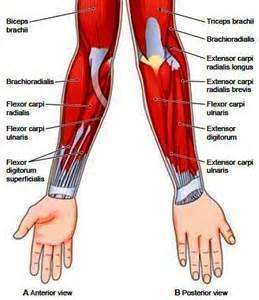
The forearm is a complex assembly of muscles, tendons, and nerves that work in concert, enabling a wide range of movements. Located between the elbow and the wrist, it houses two primary bones—the radius and the ulna. This intricate architecture is wrapped in layers of connective tissue and muscle fibers that ensure both stability and agility. Among the key players in this ensemble are the flexor and extensor muscles, which govern our ability to grip, twist, and extend our wrists and fingers. When confronted with excessive strain—be it from repetitive motions, sudden awkward movements, or heavy lifting—these muscles can succumb to injury, resulting in a pulled muscle.
Causes of a Pulled Muscle in the Forearm
The genesis of a pulled muscle can be as varied as the colors on an artist’s palette. Common causes include:
- Overexertion: Engaging in activities that require intense or prolonged use of the forearm muscles can lead to fatigue and subsequently, muscle strain.
- Repetitive Motions: Occupations or hobbies—such as typing, playing an instrument, or sports—often necessitate repetitive wrist and hand movements, increasing the risk of injury.
- Sudden Twists or Jerks: A swift and unanticipated motion, like slipping while carrying a load, can stretch the muscle fibers beyond their limit, causing a pull.
- Lack of Stretching: Failing to adequately stretch before engaging in physical activities can significantly heighten the risk of injury, as unprepared muscles are loaded with tension.
Identifying a Pulled Muscle
The symptoms of a pulled forearm muscle can serve as exclamations in our body’s story—a sudden sharp pain that interrupts our flow. Symptoms often include:
- Pain: This may range from a mild ache to severe discomfort, especially during movement.
- Swelling: Inflammation may manifest as a puffy appearance, signaling that the body is responding to the injury.
- Bruising: The impact of a pulled muscle can lead to discoloration as blood vessels become damaged.
- Restricted Mobility: Attempting to perform tasks requiring dexterity may provoke significant difficulty or pain.
Recognizing these signs early on is crucial, akin to spotting the subtle hints of a plot twist before it unfolds. Ignoring such indicators can exacerbate the injury, leading to prolonged recovery.
Pain Management and Treatment
Once a pulled muscle is diagnosed, the journey to recovery begins with a multifaceted approach, involving both immediate and long-term strategies. The R.I.C.E. method is often advocated:
- Rest: Allow the affected muscles time to recuperate without further exertion.
- Icing: Applying ice to the area can alleviate swelling and numb pain, much like cooling a feverish brow.
- Compression: Wrapping the forearm can help reduce swelling and provide support.
- Elevation: Raising the arm above heart level can encourage fluid drainage away from the injury site.
After the acute phase has passed, rehabilitative exercises can foster healing and restore strength. This rehabilitation is akin to an artist restoring a masterpiece, requiring patience and precision. Gradually reintroducing movement through stretching and strengthening exercises will empower the forearm to regain its former glory.
Prevention: Guarding Against Future Injuries
To prevent the reoccurrence of muscle pulls, one must embrace a proactive stance. This may involve adopting proper techniques during activities, implementing regular stretching routines, and ensuring adequate warm-ups before engaging in demanding tasks. Like a vigilant sentinel, these measures serve to protect and fortify the forearm against the unforeseen turbulence of daily life.
Conclusion
The saga of a pulled muscle in the forearm is a vivid reminder of our body’s intricate tapestry and its susceptibility to strains and stresses. Just as a well-written story requires pacing and attention to detail, our physical endeavors demand mindfulness and care. With appropriate management, treatment, and preventive measures, one can restore the harmony of movement and continue to craft the narratives of their lives with resilience and grace. Each flex of the forearm becomes not just a motion but a testament to overcoming adversity, the story of struggle narratives intertwining with the pursuit of mastery in our daily orchestration.










Leave a Comment