Introduction
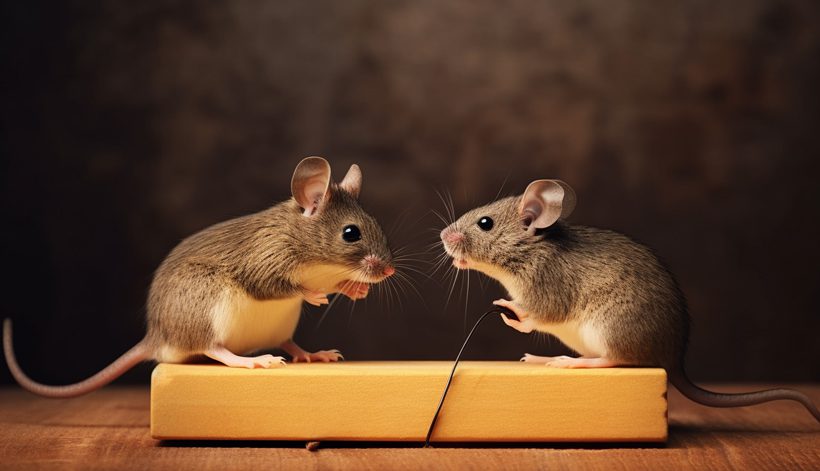
Mice, those ubiquitous little creatures scurrying through our homes, often provoke curiosity beyond their mischief. While we may be familiar with their penchant for nibbling on crumbs left behind, a pressing question arises: How long can a mouse survive without food? Understanding this can shed light on their resilient biology, assist in pest management, and enhance our appreciation for these small rodents.
1. Basic Biology of Mice
To truly grasp how long a mouse can survive without sustenance, it is essential to understand their physiological makeup. Mice are classified as omnivores, which means they consume a varied diet that includes grains, fruits, seeds, and even insects. Their metabolism is ferociously active, demanding a consistent supply of nutrients to maintain energy levels. This intrinsic need for food isn’t merely a preference; it is a biological necessity.
Additionally, mice possess rapid digestion systems. Their food passes through their bodies swiftly, generally taking around 20 minutes to reach their stomachs. Because of this, they require food more frequently than larger animals, leading to their unique survival adaptations.
2. Duration Without Food
Under normal circumstances, a mouse can endure without food for approximately 2 to 4 days. This relatively short time frame can vary based on several factors, including the mouse’s age, health status, and environmental conditions. Young, healthy mice can withstand longer periods without sustenance, while lactating females or sick individuals may succumb to hunger much quicker.
The existence of body fat reserves significantly affects their survival duration. When deprived of food, mice will utilize these reserves, but the extrapolation of fat reserves is finite. As the days progress without nourishment, their energy levels rapidly diminish, culminating in lethargy and eventual death if conditions do not improve.
3. Factors Influencing Survival Time
Various aspects can influence how long mice can withstand food deprivation. These factors include:
a. Age and Health – Younger mice generally have higher metabolic rates, thus requiring more food intake. Conversely, older or ill mice may not withstand starvation as effectively.
b. Environmental Conditions – Extreme temperatures can exacerbate a mouse’s energy expenditure. Cold environments may cause a mouse to burn fat more rapidly, while warmer surroundings could lead to dehydration, which compounds their survival challenges.
c. Hydration – It’s crucial to note that mice can endure longer periods without water than food. While they generally require access to water, a mouse can subsist up to a week without it, but without food, their survival is precariously short.
4. Hunger Behavior in Mice
Mice exhibit distinct behavioral patterns when deprived of food. Initially, they may become more active, foraging for any edible morsel. This persistent search is not merely instinctual; it is a desperate attempt to restore their energy balance.
As starvation progresses, the demeanor of the mouse will shift. Typical exploratory behaviors may diminish as energy reserves dwindle, resulting in an increased likelihood of seeking shelter. In more extreme cases, mice can enter a state of torpor, significantly lowering their activity to conserve energy.
5. Implications for Pest Control
The knowledge of how long a mouse can survive without food has practical implications, especially in pest control scenarios. Understanding these timelines allows for the development of effective baiting strategies, safeguarding stored food, and ensuring that traps are placed efficiently in areas of high mouse activity.
In efforts to manage mouse populations humanely, it becomes essential to remove food sources while also recognizing the limited survival time without sustenance. Effective pest management combines environmental exclusion, baiting strategies, and habitat modification.
6. Conclusion
Mice, with their ingrained need for sustenance and their astonishing resilience, can survive for a surprisingly short duration without food—typically 2 to 4 days. However, myriad factors influence this time frame, including age, health, and environmental conditions. By understanding these dynamics, we not only appreciate these creatures’ adaptations but also enhance our approach to their management. The interplay between survival, behavior, and environmental conditions ensures that even the smallest of creatures commands attention in the grand scheme of biodiversity. In the end, it is a testament to the intricate balance of life, survival, and the quest for nourishment that defines the existence of mice within our world.








Leave a Comment