When it comes to heating homes, hosting bonfires, or camping, firewood remains a staple. Among the myriad ways to purchase firewood, understanding the concept of a “rick” can be especially helpful. This article delves into the intricacies of a rick of firewood—what it is, how much it costs, and factors affecting pricing, offering a comprehensive overview for prospective buyers and enthusiasts alike.
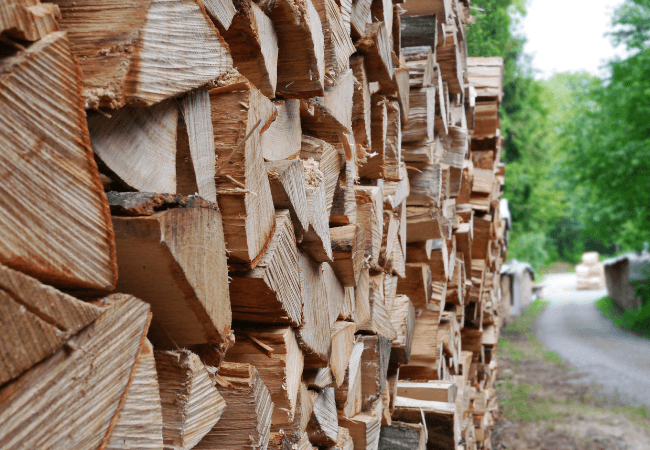
A rick of firewood typically refers to a stack measuring four feet high and eight feet long, which translates to 32 cubic feet of wood. This measurement, however, is not standardized and can differ based on regional terminology. The origins of the term vary, as some areas may use the term “cord” more commonly, with a cord equating to 128 cubic feet. It’s paramount to clarify local vernacular to avoid confusion when purchasing.
Pricing is undoubtedly one of the most critical aspects when considering a rick of firewood. Generally, prices can fluctuate between $100 and $300 per rick, depending on several factors. The type of wood, location, and season all play crucial roles in determining the cost. For instance, hardwoods like oak and hickory tend to demand a higher price due to their denser composition and longer burn time. Softwoods, such as pine and fir, usually cost less and ignite easier, making them desirable for quick fires.
In terms of seasonality, many consumers experience price surges during the winter months as the demand for firewood escalates. Conversely, purchasing wood in the summer or early autumn may yield more competitive pricing. Some firewood suppliers also offer bulk discounts for larger purchases, so it might be worth inquiring about pricing structures if a consumer requires more than one rick.
Location is another variable affecting cost. Urban regions often have higher prices due to transportation costs and demand driven by residential areas. Rural locations might offer lower pricing, as availability increases and transportation becomes effortless. However, buyers should also consider the trade-off in buying from a local supplier versus a national retailer, as local suppliers often provide fresher wood that has been seasoned appropriately.
Different types of firewood may be available based on the intended use. For cooking and grilling, specific types, such as mesquite or cherry wood, might be recommended. These varieties impart unique flavors to food, making them particularly appealing for culinary purposes. When used for heating, denser hardwoods might be preferred, as they emit more heat and burn longer, offering a cost-effective solution for cold winters. Learning about the distinct characteristics of various wood types can enhance firewood purchasing decisions.
Beyond the types and pricing, understanding how to properly season wood is imperative for optimal burning. Seasoned wood, typically having a moisture content of less than 20%, burns cleaner and produces more heat. Freshly cut wood, or “green” wood, often contains high moisture levels and is inefficient for burning. Therefore, it is advisable to purchase seasoned wood to minimize smoke production and ensure efficient combustion.
Buyers should also be cognizant of where their firewood is sourced. Sustainable harvesting is not just an ethical consideration but also impacts quality. Wood obtained from reputable suppliers often guarantees better quality and less likelihood of pests. Checking for certifications or asking suppliers about their sourcing practices can ensure consumers are making environmentally friendly choices.
When purchasing a rick of firewood, buyers should also consider transport. Many suppliers offer delivery, which provides convenience but may come with added fees. Conversely, those who prefer to pick up their firewood can save on transportation costs but should ensure they have appropriate vehicles to handle the load. Moreover, after acquiring the firewood, proper storage becomes paramount. Firewood should be kept in a dry, well-ventilated area to prevent mold and insect infestations, which can compromise the quality of the wood.
While examining pricing, one should be aware of potential scams. There have been reports of unscrupulous vendors misrepresenting the quantity or quality of firewood being sold. To avoid falling victim to such practices, buyers should educate themselves on common terms and methods of measurement. For example, asking for a receipt itemizing the type and quantity of wood can serve as a safeguard against fraud.
In conclusion, understanding the nuances of purchasing a rick of firewood—defining what a rick is, examining costs contingent upon various factors, exploring types of wood, and emphasizing the importance of seasoning and sourcing—can significantly enhance one’s buying experience. Being informed allows consumers to make educated decisions, ensuring they receive value for their investment while enjoying the timeless charm of a warm fire.









Leave a Comment