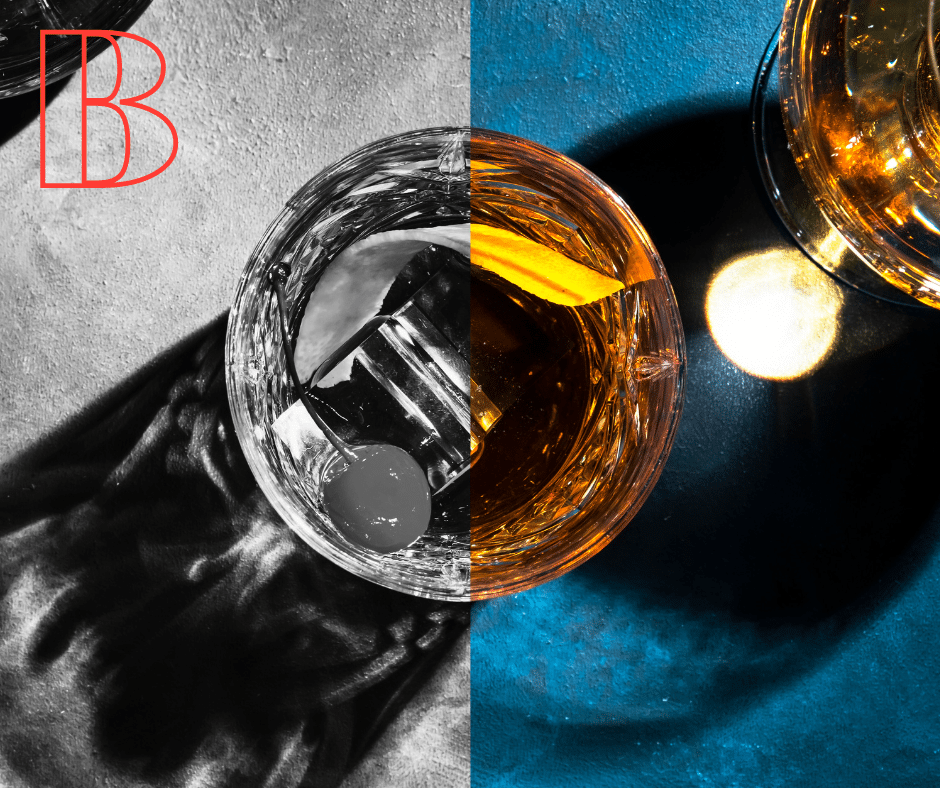
Whiskey and bourbon often conflate in conversation, both revered for their rich heritage and complex flavors, yet remain distinct in their production, ingredients, and traditions. Understanding the nuances between whiskey and bourbon not only enriches one’s appreciation for these spirits but also reveals a fascinating tapestry woven through history, geography, and culture. This article delves into the multifaceted differences between whiskey and bourbon, illuminating the characteristics that make each unique while exploring the deeper reasons behind their allure.
1. Defining The Terms: Whiskey Versus Bourbon
At the outset, it is crucial to clarify the terminology. Whiskey, a broad umbrella term, encompasses various types of distilled spirits made from fermented grain mash. This can include barley, corn, rye, and wheat. Conversely, bourbon is a specific type of whiskey, primarily distinguished by its ingredients and the geographic context of its production. To understand their differences, one must appreciate that all bourbons are whiskeys, but not all whiskeys are bourbons.
2. Ingredients Matter: The Grain Bill
The formulation of grains plays a pivotal role in differentiating whiskey from bourbon. While bourbon must contain at least 51% corn in its mash bill, whiskey may use a wide array of grains. For instance, Scotch whiskey predominantly utilizes malted barley, while Irish whiskey often employs a combination of malted and unmalted barley. The requisite corn in bourbon contributes to its characteristic sweetness, which contrasts with the more robust and earthy flavors found in other varieties of whiskey.
3. The Distillation Process
Distillation processes can vary significantly, influencing the final product’s flavor profile. Bourbon is typically distilled to no more than 125 proof (62.5% alcohol by volume), resulting in a mellower essence, clearly distinct from some whiskeys, particularly those distilled to higher proofs. Furthermore, while whiskey can be made from fermented grain mash in a variety of still types, bourbon commonly employs column stills, allowing for greater efficiency and consistency.
4. Maturation: The Barrel Requirement
Maturation is integral to both whiskey and bourbon production, yet it also serves as a defining factor. By law, bourbon must be aged in new charred oak barrels, which impart distinct flavors such as vanilla, caramel, and spice. In stark contrast, whiskey has more leniency; it may be aged in used barrels, which affects the flavor, color, and overall organoleptic profile. The maturation process thus becomes a captivating exploration of how wood interacts with spirit, and how different barrels can create vastly divergent tasting experiences.
5. Geographic Roots: The American Connection
Bourbon’s lineage is inextricably linked to American history, particularly to the Southern states. Although its origins are legendary and often contested, many trace it to the late 18th century in Kentucky, where it was first distilled. Legal definitions decree that for a whiskey to be labeled as bourbon, it must be produced in the United States. In contrast, whiskey spans the globe—Scotland, Ireland, Canada, and Japan all have rich traditions of whiskey-making, each influenced by local customs and environmental factors.
6. Flavor Profiles: A Symphony of Tastes
When it comes to flavor, the distinction between whiskey and bourbon becomes a subjective and delightful facet of exploration. Bourbons tend to feature sweet notes, often accompanied by robust caramel, vanilla, and spice, thanks to the high corn content and new charred barrels. Conversely, whiskeys can display an extensive range of flavors, including smoky, earthy, and fruity notes, depending on the grains used and the production methods employed. This diversity of flavor profiles creates a spectrum of tasting experiences, inviting enthusiasts to indulge in a sensorial journey.
7. Legal Definitions and Regulations
The legal frameworks governing whiskey and bourbon provide further insight into their distinctions. In the United States, bourbon must comply with specific regulations established by the Federal Standards of Identity for Distilled Spirits. This includes requirements regarding ingredients, production methods, and aging. Meanwhile, whiskey regulations can vary significantly from region to region, given the international scope of its production. This complexity not only affects the types of spirits produced but also contributes to the ongoing fascination with exploring and understanding these distinctions.
8. Cultural Significance and Rituals
Beyond mere production and taste, both whiskey and bourbon symbolize rich cultural histories. From the convivial social rituals of whiskey tastings to the meticulous craftsmanship behind bourbon distillation, these spirits are steeped in tradition. Bourbon, in particular, often carries a sense of Southern pride, with its production methods and cultural roots intertwined with American history. Celebrations like Bourbon Heritage Month accentuate this significance, inviting enthusiasts to explore the emotional and cultural resonance these spirits hold.
9. Conclusion: The Enduring Allure
The intricate differences between whiskey and bourbon invite curiosity and admiration from aficionados and casual drinkers alike. While they share a fundamental connection, each spirit narrates its own unique tale informed by ingredients, processes, and cultural roots. The exploration of these differences reveals not just a passion for taste but a broader appreciation for the art of distillation, the nuances of flavor, and the stories that each bottle encapsulates. As you savor your next glass, take a moment to reflect on the fascinating world behind whiskey and bourbon—the craftsmanship and history that make each sip a journey into the past.



Leave a Comment